

Aerogel insulation: what is it and when should you choose an aerogel insulation blanket?
Discover the benefits of aerogel for insulation and other applications. Learn more about these innovative materials and their impact on various industries.

Aerogel insulation: what is it and when do you choose an aerogel insulation blanket?
Introduction: what is aerogel insulation?
This page is intended for anyone looking for the best insulation for homes, industry, cars, and other applications where good thermal protection is important.
Aerogel is a super insulator that consists of 95 to 99.98% air, mainly made of silica, and is known as the lightest solid that exists and is primarily made of silica, the same basic material as glass. It is the lightest solid known. This unique structure provides extremely low thermal conductivity, making aerogel excel as an insulation material where other materials would simply be too thick. Aerogel has a thermal conductivity of 0.004 W/mK, which is extremely good for insulation.
Heat Shieldings uses aerogel in flexible insulation blankets such as the SGM 800, specifically designed for technical and industrial applications. These are not products for standard home insulation or cavity walls, but for situations where limited space, high temperatures, or strict safety requirements apply. Think of engine compartments, battery systems, or industrial pipes where every millimeter of thickness counts. Aerogel can withstand temperatures from -275 ºC to above 1,600 ºC.
Why aerogel stands out from traditional insulation
Traditional insulation materials such as rock wool, glass wool, and rigid foam require significantly more thickness to achieve the same insulation value as aerogel. The thermal conductivity coefficient of aerogel is around 0.010-0.020 W/mK, while classic materials typically achieve 0.035-0.050 W/mK.
In practice, this means:
-
10 mm SGM 800 can perform where otherwise 50-70 mm of traditional insulation is needed
-
For retrofitting around existing pipes, aerogel fits where mineral wool simply does not
-
In compact machine enclosures or battery systems, the thin form factor is often the perfect solution
Aerogel is more expensive per square meter than classic insulation. The choice for aerogel is made when:
-
Performance per millimeter is critical
-
Weight saving is essential
-
Fire safety or temperature resistance are strict requirements
-
Traditional materials do not physically fit
What is SGM 800 aerogel insulation blanket?
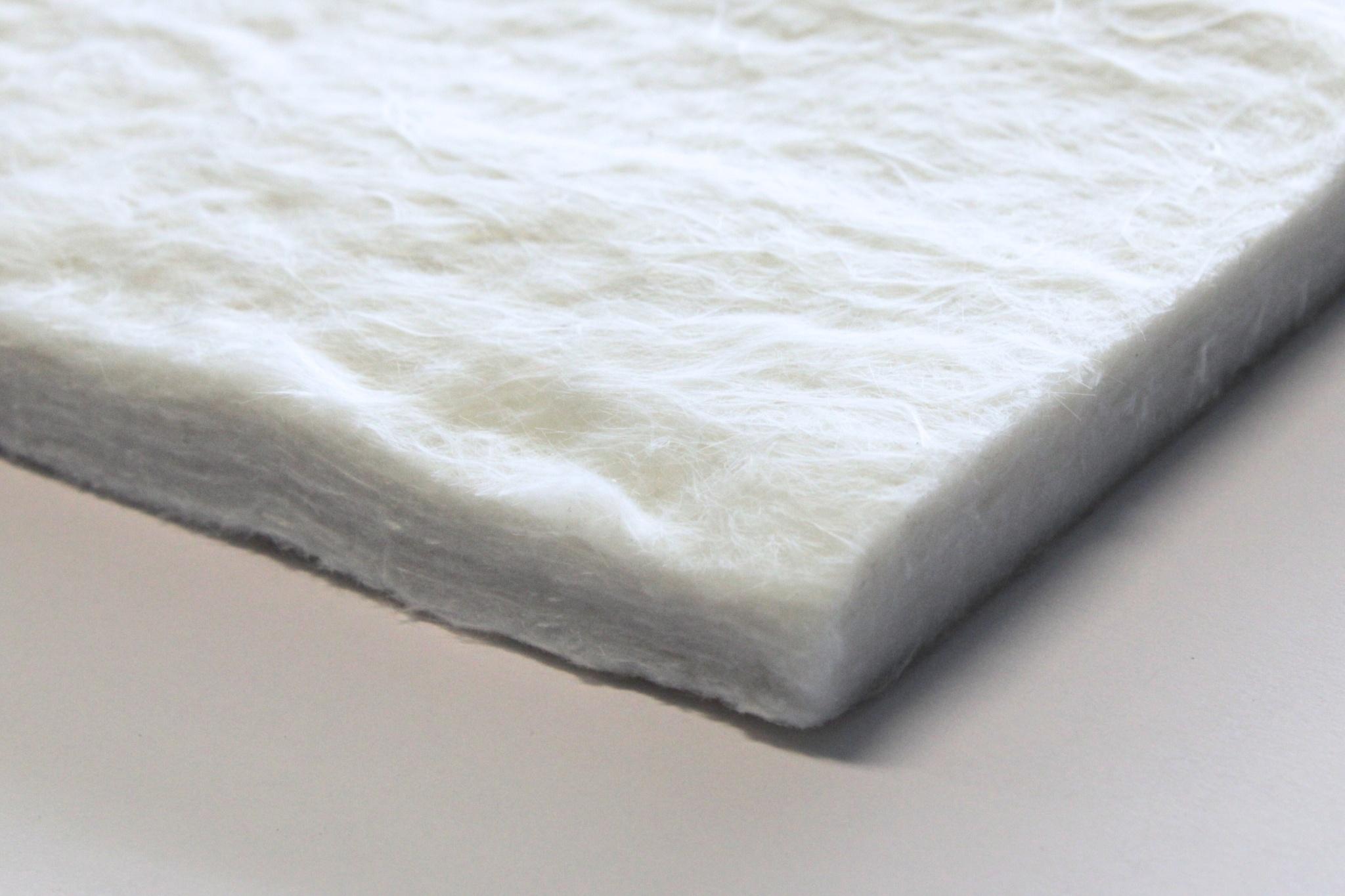
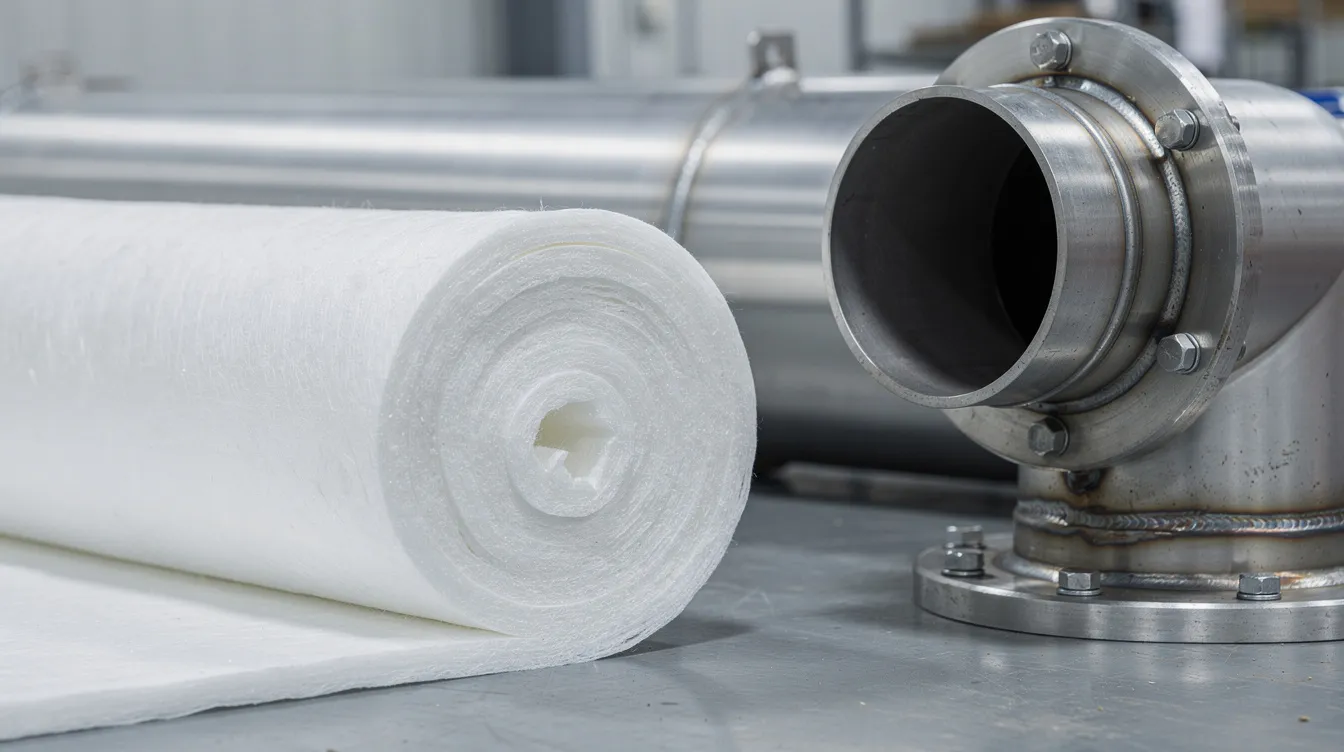
SGM 800 is a flexible aerogel insulation blanket where pure aerogel is integrated into a fiber structure. The result is a blanket that maintains both the exceptional insulating properties of aerogel and the practical manageability of a flexible material.
The blankets are supplied in standard thicknesses, with the 10 mm variant being in high demand for high-temperature insulation. SGM 800 serves as a thermal barrier around components, pipes, equipment, and energy modules. It is a technical product for automotive, industry, marine, and energy storage — not for DIY renovation or building insulation.
Key benefits of SGM 800 aerogel insulation
The characteristics of SGM 800 make it suitable for various applications where conventional insulation falls short:
|
Property |
Advantage |
|---|---|
|
Low thermal conductivity |
Highest insulation performance per millimeter of material |
|
10 mm thickness |
Sufficient where other materials need to be 5 times thicker |
|
Flexible structure |
Conforms to bends, flanges, and complex shapes |
|
Lowest possible density |
Minimal self-weight, easy installation |
|
Hydrophobic properties |
Retains insulation value in moisture, vapor permeable |
|
-200°C to 800°C range |
Suitable for cryogenic to high temperatures |
|
Fire class A1 |
Non-combustible, no smoke, meets strict requirements |
|
Durability |
Stable at temperature fluctuations, low aging |
The complex process by which aerogel is produced — where liquid is replaced by gas from a gel without the structure collapsing — results in a material with the lowest density among solid insulation materials.
Applications and industries in which aerogel excels
Aerogel is chosen when high demands come together: temperature, safety, space saving, and weight. The following sectors benefit from these properties:
Home insulation
-
Aerogel insulates up to 2 times better than traditional insulation materials.
-
Aerogel is suitable for insulating monuments without losing authentic details.
-
Aerogel is ideal for situations where there is little room for insulation, such as floors, walls, and windows.
-
Aerogel insulates two to four times better than traditional materials such as PIR, PUR, or rock wool.
Industrial insulation
-
Pipes, fittings, and ovens where high temperatures and limited space come together
-
Flue gas ducts and turbine casings
-
The flexibility of aerogel blankets prevents thermal bridges and makes it possible to tightly cover complex shapes or narrow gaps.
Automotive and motorsport
-
Thermal shielding of exhaust systems, turbos, and catalytic converters
-
Protecting heat-sensitive electronics and plastics in compact engine compartments
Energy storage and battery systems
-
Thermal barrier around battery modules
-
Delaying thermal runaway propagation
Cryogenic applications
-
LNG systems and liquid gases where heat ingress must be limited
-
Aerospace and cold processes
Marine and offshore
-
Insulation of generators and exhaust systems on ships
-
Environments where moisture resistance and fire safety are essential
Technical properties simply explained
The technical specifications of SGM 800 are explained below in understandable terms:
Thermal conductivity (λ-value) The λ-value indicates how much heat flows through the material per meter of thickness and per degree of temperature difference. A lower value means better insulation. Aerogel blankets achieve values that are clearly lower than those of classic blankets.
Temperature range -200°C to 800°C SGM 800 maintains its structure and insulating effect from cryogenic cold to the inside of industrial ovens. The material does not become brittle in cold and does not degrade at high temperatures.
Hydrophobic structure The aerogel structure is water-repellent: liquid does not penetrate the pores. This prevents any cracks in the insulation value due to moisture. Depending on the coating, the material can still be vapor permeable.
Fire class A1 This is the highest European classification for non-combustible materials. SGM 800 does not burn, does not spread flame, and produces hardly any smoke in a fire.
Density and weight Aerogel can be up to 1000 times lighter than glass. This makes it suitable for constructions where weight is a factor, such as in aerospace or when mounting on vertical surfaces like a facade.
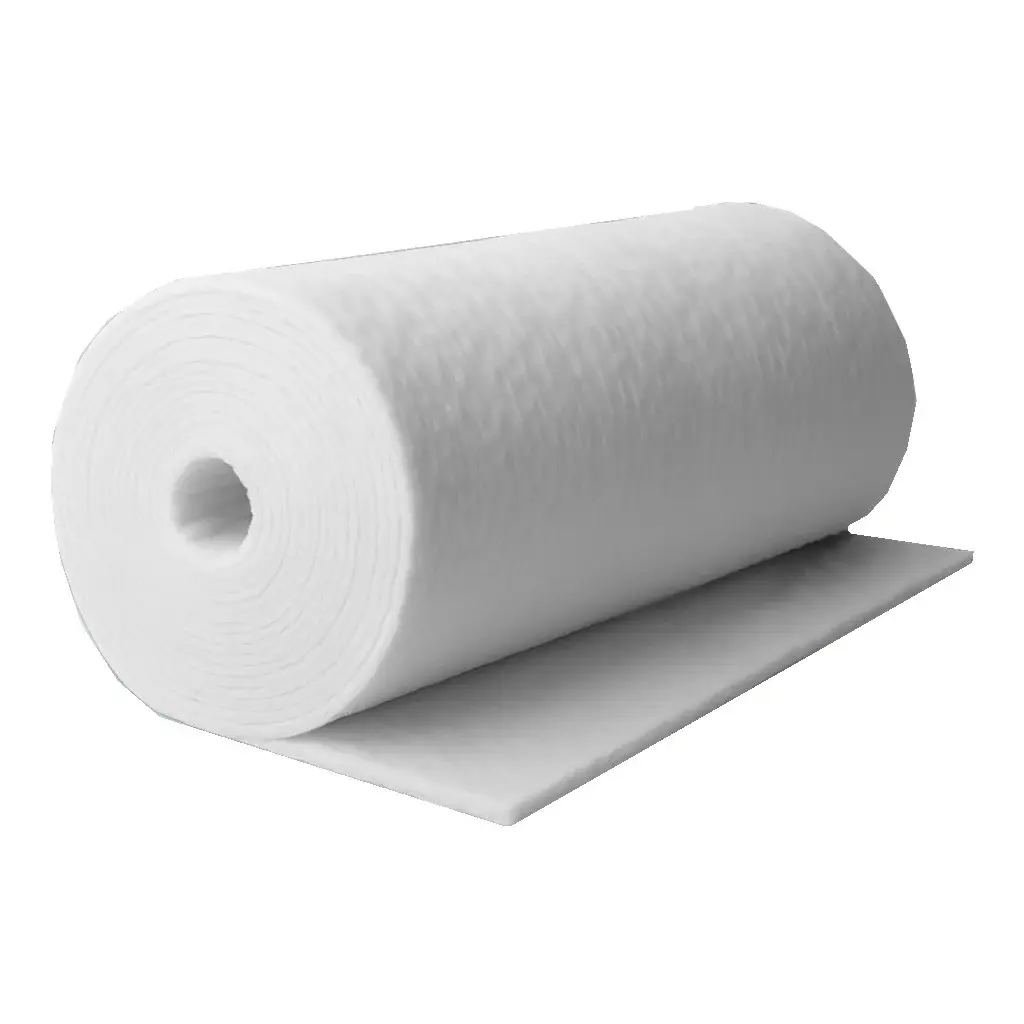
Processing SGM 800 is supplied on a roll, is easy to cut to size, and can be applied in multiple layers. In case of mechanical stress, a coating or metal plate is often used to protect the substrate.
When to choose aerogel insulation (and when not)?
The choice for aerogel depends on specific project requirements. Below are the most important decision criteria:
Choose aerogel when:
-
Available space is limited but high insulation performance is needed
-
Surface temperatures need to be lowered without thick packages
-
The system has complex shapes, moves, or vibrates
-
Fire safety (A1), low smoke development, and high temperature resistance are strict requirements
-
Weight saving affects production or construction
Traditional insulation remains more practical when:
-
Large volumes with plenty of space need to be insulated
-
Temperature requirements are modest (up to 100°C)
-
Costs per m² are more important than performance per millimeter
-
Standard floors, cavity walls, or building envelopes are the goal
If in doubt, we recommend comparing the thermal conductivity values and maximum operating temperature of SGM 800 with other materials in the assortment.
Summary and role of Heat Shieldings
Aerogel insulation combines the lowest density among solid insulation materials with exceptional thermal performance in a thin, flexible form. SGM 800 delivers this as a practical insulation blanket with a temperature range of -200°C to 800°C, hydrophobic properties, and fire class A1.
Heat Shieldings specializes in technical insulation solutions for automotive, industrial, marine, and energy storage applications. The complete range of aerogel and other insulation products is available directly, including authentic details on specifications and thermal conductivity values.
For exact product specifications, datasheets, and technical data of the 10 mm SGM 800, please refer to the product page on the market. Contact Heat Shieldings' technical specialists for application advice, material selection, or a customized quote. The job becomes easier with the right knowledge and the right material needed for your specific situation.
Buy 3mm thick Aerogel


